
Basketball Statistics Markets: NBA Player Props Betting
 Available in US

Player props have transformed from a niche betting option into one of the most popular ways to wager on NBA games. Rather than betting on which team wins or by how much, prop bets focus on individual player performance. Will LeBron James score over 27.5 points? Can Nikola Jokic grab more than 11 rebounds? These markets let you leverage knowledge about specific players and matchups that team-level betting ignores.
The explosion of player props coincides with advances in data availability and the same-game parlay revolution. Sportsbooks now offer dozens of prop markets for every NBA game, covering statistics that weren’t even tracked a decade ago. This proliferation creates opportunities for bettors willing to do the research. Unlike spread betting where oddsmakers have decades of refined models, prop lines can be softer, especially for less prominent players or exotic statistics.
What makes props particularly engaging is the direct connection between your analysis and the bet. You’re not just guessing whether a team performs well; you’re predicting how a specific player will execute his role. Understanding that player’s usage rate, his matchup defender, the expected pace of the game, and dozens of other factors translates directly into betting edge. This granularity rewards homework in ways that broader markets sometimes don’t.
While focusing on nightly player performances is lucrative, you should also consider allocating a portion of your bankroll to NBA futures betting for long-term returns.
Evaluating Points and Assists: Basketball Player Prop Markets
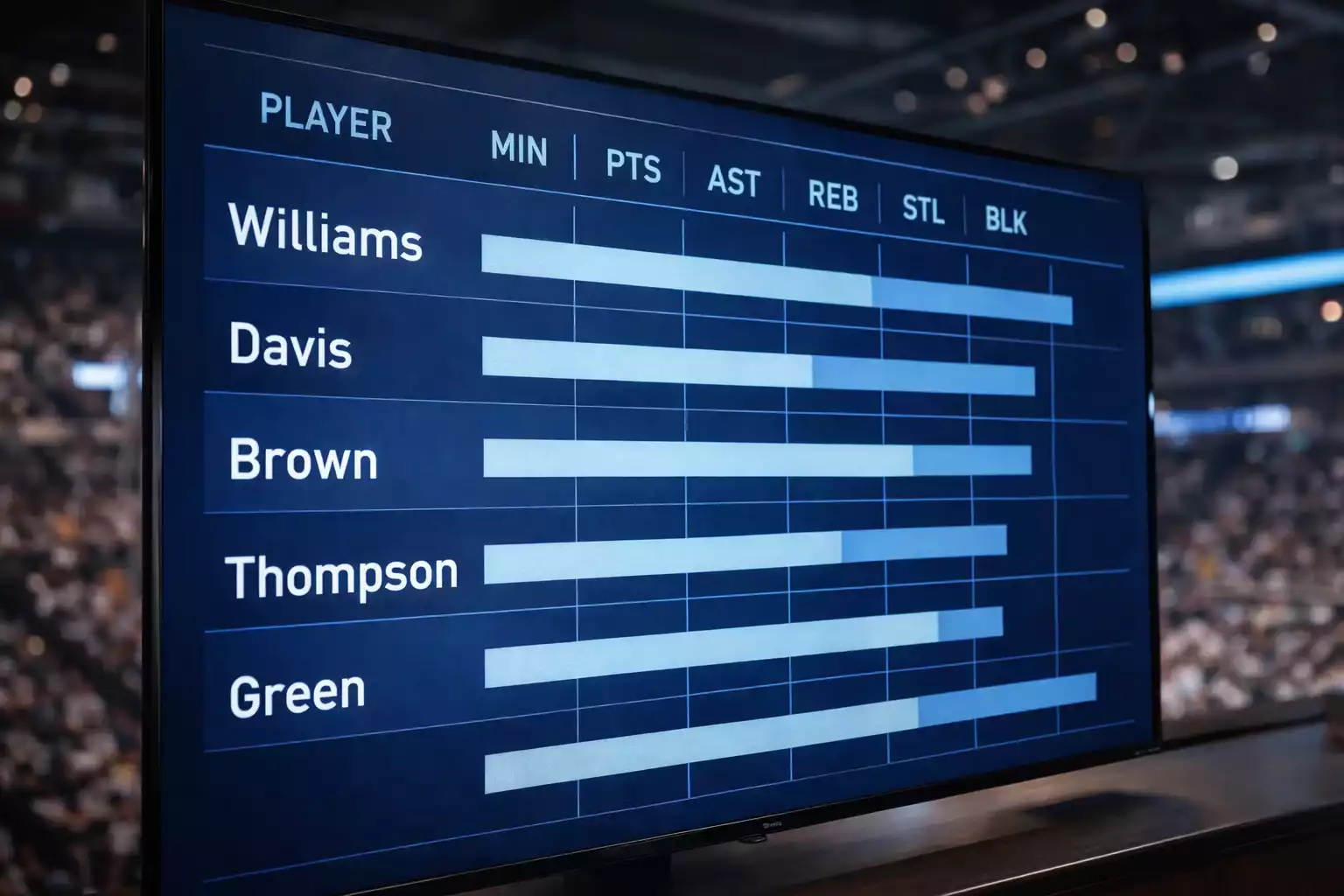
Player props are wagers on individual player statistical outcomes rather than game results. The sportsbook sets a line for a specific statistic, and you bet whether the player will exceed or fall short of that number. When the Bucks play the Heat and Giannis Antetokounmpo’s points line is set at 29.5, you choose over or under. If you take the over and Giannis scores 30 or more, you win. If he scores 29 or fewer, you lose.
The structure differs from team betting in important ways. Team bets aggregate performance across the entire roster, smoothing out individual variance. Prop bets concentrate risk and reward on a single player. If your prop target gets injured two minutes into the game, your bet likely loses regardless of how the team performs. This concentrated exposure means props involve more variance than team bets, but also more opportunity for informed opinions to create edge.
Over/under format dominates player props, but binary yes/no markets also exist. Will Damian Lillard make a three-pointer in the first quarter? Yes or no. Will Tyrese Haliburton record a double-double? These markets provide simpler choices than continuous statistics like points or rebounds, appealing to bettors who prefer straightforward outcomes.
Combination props aggregate multiple statistics into a single line. Points plus rebounds plus assists, commonly abbreviated as PRA, combines three counting stats. A player might have a PRA line of 42.5, requiring you to predict his total contribution across all three categories. These combination props reduce variance compared to single-stat markets because strong performance in one area can offset weakness in another.
The distinction between player props and team props matters for understanding your betting options. Team props focus on collective outcomes: team total points, first half spread, total three-pointers made by the team. Player props isolate individuals. Both offer value, but analyzing them requires different approaches. Team props depend on roster-wide factors; player props zero in on specific performers and their circumstances.
Types of NBA Player Props

Points scored represents the most heavily bet player prop market. Sportsbooks post lines for star players days in advance, with lines for role players appearing closer to game time. The volume of betting on points props means these lines tend to be efficient, particularly for high-profile scorers. Finding value requires identifying situations where a player’s expected output diverges from his recent average, whether due to matchup, rest, or opportunity changes.
Rebounds props attract bettors who understand positional battles and team rebounding tendencies. A center matched against a smaller opponent might exceed his rebounding line; that same center facing a dominant rebounder might fall short. Beyond individual matchups, game pace and expected shooting percentages influence rebound totals. High-paced games with poor shooting create more rebound opportunities. Understanding these dynamics helps identify mispriced lines.
Assists props require predicting not just the player’s passing but his teammates’ shooting. A point guard can deliver perfect passes all night and still fall short of his assists line if teammates miss open shots. This dependence on others introduces variance that pure scoring props don’t have. Bettors sometimes fade high assists lines when the prop target’s teammates are poor shooters or when the expected game script limits half-court offense.
Three-pointers made offers concentrated volatility. A player attempting eight threes might hit anywhere from zero to six in a typical game. This variance makes threes props difficult to predict consistently but potentially valuable when you identify situations that strongly favor one outcome. A shooter facing a defense that surrenders the most three-point attempts, playing at home where his shooting percentage improves, represents a better over candidate than raw averages suggest.
Steals and blocks props exist in lower-volume markets where sportsbooks devote less attention to line accuracy. These defensive statistics carry enormous variance because opportunities depend on opponent behavior. A player averaging two steals might get one or four on any given night. Bettors who track specific matchups and opponent turnover tendencies sometimes find softer lines in these markets than in more popular categories.
Turnovers occupy an unusual space in prop betting. Unlike other statistics where more is generally better, turnovers represent negative performance. High turnover lines often indicate high-usage players who handle the ball constantly. Betting over on turnovers means rooting for mistakes, which some bettors find uncomfortable. But the market exists, and analytical bettors approach it like any other statistical prediction.
Double-double and triple-double props require players to reach double figures in two or three statistical categories. These provide yes/no simplicity at longer odds. A player averaging 22 points, 9 rebounds, and 6 assists might be plus-money for a double-double on a given night. Evaluating these props requires assessing likelihood across multiple statistical dimensions rather than focusing on a single number.
PRA combines points, rebounds, and assists into a single aggregated line. This combination smooths variance because strong performance in one category can compensate for weakness in another. If a player scores 25 points but only grabs 4 rebounds when you need him to hit 38.5 PRA, those extra assists might push him over anyway. PRA props suit bettors who prefer predicting overall contribution rather than specific statistical categories.
First basket scorer props offer high-odds excitement before the game settles into its rhythm. You’re betting on which player scores the game’s first points. These props involve significant randomness because tip-off outcomes and initial play calls vary unpredictably. Still, certain players consistently get early touches or operate as primary options in opening sets. Identifying these tendencies creates slight edges in an inherently volatile market.
How to Analyze NBA Player Props
Usage rate measures what percentage of team possessions a player uses while on the court. High-usage players handle more offensive responsibility, translating to more shots, assists, and potential turnovers. When analyzing points props, usage rate contextualizes the opportunity a player has to score. A player with 28% usage on a team that plays slowly faces different scoring conditions than one with identical usage on a fast-paced team. Combining usage rate with pace projections gives you a clearer picture of expected volume.
Minutes projection forms the foundation of any prop analysis. A player expected to play 36 minutes has more opportunity than one projected for 28 minutes. Injury situations, foul trouble patterns, and blowout potential all affect minutes. If you’re betting the over on a points prop but expect the game to become lopsided early, your player might sit the fourth quarter entirely. Tracking each coach’s rotation tendencies and rest patterns helps refine your minutes estimates beyond season averages.
Matchup considerations separate sophisticated prop bettors from casual ones. The player’s defensive assignment influences his statistical output dramatically. A scoring guard facing an elite perimeter defender like Jrue Holiday might struggle to hit his points line. That same guard matched against a weaker defender projects to exceed it. Defensive statistics by position, available through advanced analytics sites, quantify these matchup effects rather than leaving them to impression.
Defensive rankings by position reveal which teams allow the most production to specific player types. If the opponent ranks last in points allowed to point guards, your point guard prop target benefits from favorable conditions. These positional rankings don’t guarantee outcomes but shift expected performance in quantifiable ways. Bettors who ignore opponent defense leave value on the table by treating all matchups equally.
Pace of play impacts every counting statistic. Fast-paced games feature more possessions, creating more opportunities for points, rebounds, and assists. When two high-pace teams meet, expect statistical totals to inflate across the board. Conversely, games between defensive-minded, slow-paced teams compress individual statistics. Checking Vegas totals provides a quick proxy for expected pace; a game with an over/under of 232 will produce more individual props opportunities than one lined at 208.
Recent form versus season averages presents an analytical tension. A player averaging 18 points for the season who scored 28 in his last three games might seem like an over candidate. But regression to the mean suggests his hot streak will end. Conversely, his recent scoring might reflect a role change or injury to a teammate that permanently elevated his opportunity. Distinguishing between noise and signal in recent performance separates sharp prop analysis from reactive guessing.
Home and away splits reveal patterns invisible in aggregate statistics. Some players perform measurably better at home, whether due to crowd energy, sleep quality, or travel fatigue. Others show no significant split. Checking a player’s home versus away production for the specific statistic you’re betting adds another layer to your analysis. A player averaging 11 rebounds overall might average 13 at home and 9 on the road, making location a significant betting factor.
NBA Player Prop Betting Strategies
Finding soft lines requires comparing your projections against sportsbook offerings. Build your own projection for a player’s expected output, then compare it to the posted line. If you project 24 points and the line is 21.5, that discrepancy might indicate value on the over. The larger the gap between your projection and the line, the stronger the potential edge. This approach demands doing the analytical work before shopping lines rather than reacting to numbers that seem high or low.
Injury-related opportunities emerge when key teammates sit out. If a team’s primary scorer misses a game, secondary scorers inherit additional shot attempts. Props for these players often lag behind the adjustment because sportsbooks may not update lines until significant betting occurs. Monitoring injury reports carefully and betting quickly when news breaks allows you to capture value before the market corrects.
Blowout risk threatens any prop bet, particularly overs. Players who expect to play 34 minutes might only log 24 in a lopsided game. Coaches pull starters when outcomes are determined, eliminating fourth-quarter statistical accumulation. When betting overs, consider the likelihood of a competitive game lasting until the final buzzer. Bets on players from strong favorites carry higher blowout risk than those on evenly matched teams.
Overtime impact on props requires understanding each sportsbook’s rules. Most books count overtime statistics toward prop results, but some don’t for specific markets. A game going to overtime provides five additional minutes of statistical opportunity, potentially pushing players over their lines who fell short in regulation. Checking the specific rules before betting prevents unpleasant surprises when overtime produces unexpected outcomes.
Correlation in same-game parlays describes how individual prop outcomes relate to each other. If you bet a player’s points over, his team is more likely to win and cover the spread. If you also bet his teammate’s points over, you’re creating correlated bets that rise and fall together. Understanding these correlations helps construct same-game parlays with proper risk assessment. Parlaying uncorrelated outcomes, like one player’s points with an opponent’s rebounds, diversifies your parlay exposure.
Fading public perception creates value when sportsbooks shade lines toward popular outcomes. If everyone expects a star player to explode for 40 points in a big game, the book might set his line at 32.5 instead of 29.5 to account for anticipated over action. Betting against these inflated expectations means accepting that you’re rooting for a star to underperform, which feels counterintuitive but can be mathematically correct.
Specializing in specific markets or players allows you to develop expertise that generalist bettors lack. Following one team closely means understanding rotation patterns, matchup tendencies, and situational factors that casual observers miss. This specialized knowledge translates into better prop projections for players you’ve watched extensively. Some profitable prop bettors focus entirely on one division or conference, sacrificing breadth for analytical depth.
Enhance your overall handicapping skills by following the leading NBA betting platform throughout the season.
Tools and Resources for Prop Research

Statistics sites like Basketball-Reference and NBA.com provide comprehensive historical data for any player analysis. These platforms track game logs, splits by home and away, performance against specific opponents, and advanced metrics that illuminate player roles. Bookmarking a handful of reliable statistics sources and developing familiarity with their navigation saves time when researching props under deadline pressure.
Projection models built by analytics communities offer starting points for your own assessments. Sites like NumberFire, Fantasy Labs, and various subscription services publish daily projections for player statistics. These models incorporate factors you might overlook and provide baselines against which to compare sportsbook lines. Treat projections as inputs to your analysis rather than final answers; no model captures every situational nuance that affects individual games.
Betting line comparison tools help you find the best available numbers across sportsbooks. A player’s assists line might be 6.5 at one book and 7.5 at another. Taking the under at 7.5 rather than 6.5 dramatically improves your expected value on that bet. Aggregator sites display lines from multiple books simultaneously, enabling quick comparisons that maximize every wager’s profit potential.
Injury tracking resources keep you informed about player availability and limitations. Official team injury reports release at mandated times, but insiders and beat reporters often share information earlier. Following relevant social media accounts and monitoring news aggregators lets you act on injury information before sportsbooks fully adjust their lines. The window between news breaking and lines moving provides valuable betting opportunities for those paying attention.
Social media functions as both information source and sentiment indicator. Reporters tweet lineup changes and injury updates before official announcements. Fan communities discuss matchup factors and highlight angles worth considering. However, social media also amplifies noise and bad analysis. Developing a curated feed of reliable sources while filtering out speculation requires effort but improves your information quality significantly.
Advanced statistics platforms like Cleaning the Glass, PBP Stats, and Synergy Sports offer deeper analytical resources for serious bettors. These services track metrics unavailable elsewhere: shot quality, defender distance, play type efficiency, and more. The subscription costs represent investments for bettors treating props as a serious pursuit rather than casual entertainment. The edge these tools provide compounds over hundreds of bets, potentially justifying their expense.
Player Props Mistakes to Avoid
Over-betting favorites in prop markets mirrors errors in team betting. Star players attract disproportionate attention and money, prompting sportsbooks to shade their lines accordingly. When everyone wants to bet that Steph Curry exceeds 25 points, the book might set his line at 26.5 instead of 24.5. This inflation means favorites offer worse value than their statistics suggest. Contrarian approaches that fade popular overs often outperform following the crowd.
Ignoring matchup context represents perhaps the most common mistake casual prop bettors make. They see a player averaging 22 points and bet the over at 21.5 without checking his opponent’s defensive quality. But that player might average 26 points against weak defenses and only 18 against strong ones. A one-size-fits-all approach to props ignores the variables that actually determine outcomes, surrendering edge that more diligent bettors capture.
Not checking for lineup changes before game time proves costly with surprising frequency. You might bet on a player’s assists over expecting him to play point guard, then discover an hour before tipoff that the normal point guard is healthy after all. Suddenly your prop target has fewer ball-handling opportunities. Confirming expected lineups close to game time prevents situations where your analysis becomes obsolete before the ball is tipped.
Forgetting about garbage time affects prop outcomes more than many bettors realize. In lopsided games, starters exit and bench players accumulate statistics that inflate final box scores. But if you bet on starters’ props, garbage time works against you. Those starters sit while their lines remain static. Conversely, betting on rotation players who might benefit from garbage time provides a different risk profile. Understanding who plays when and why matters for prop accuracy.
Parlaying too many props together exemplifies the pursuit of big paydays at the expense of expected value. Each additional leg in a parlay multiplies the sportsbook’s built-in edge while reducing your probability of success. A five-leg prop parlay might offer exciting potential returns but delivers negative expected value at a rate far exceeding single bets. Successful prop bettors emphasize volume of well-analyzed singles over the lottery-ticket appeal of massive parlays.
Chasing losses by increasing stakes or shifting to higher-variance props compounds bad days into devastating ones. After losing several prop bets, the temptation to bet bigger on the next plays to win back losses leads to bankroll damage. Emotional betting decisions ignore the fact that variance affects even well-analyzed wagers. Maintaining consistent bet sizing regardless of recent results preserves your bankroll through inevitable losing stretches.
Betting props without watching games means you miss information that statistics don’t capture. A player might be dealing with a minor injury that limits his explosion without appearing on injury reports. Another might be getting different defensive treatment than usual. Watching games, even partially, provides context that pure statistical analysis cannot replicate. The best prop bettors combine numbers with observation to form complete pictures.
Putting It All Together
Player props reward those who enjoy diving deep into individual performance analysis. The breadth of available markets means you can find betting opportunities that match your knowledge and interests. If you understand point guard play better than center performance, focus your prop betting where your expertise creates edge. Specialization beats scattered attention across markets you don’t understand thoroughly.
Building a systematic approach to prop betting involves developing repeatable research processes. Create a checklist of factors to evaluate for every prop you consider: minutes projection, matchup quality, pace expectation, recent form, home/away splits, and any injury-related opportunity changes. Running through this checklist ensures you don’t overlook critical variables in the rush to place bets before lines close.
The prop betting landscape continues evolving as sportsbooks refine their offerings and bettors develop new analytical approaches. What works today might become obsolete as markets become more efficient. Staying curious, tracking your results honestly, and adjusting your methods based on evidence keeps your approach relevant. The bettors who profit long-term treat props as a skill requiring continuous development rather than a solved problem.
Your edge in props emerges from understanding players and situations better than the market reflects. This understanding comes from research, observation, and experience accumulated over many games. There are no shortcuts, but there is plenty of opportunity for those willing to do the work that casual bettors skip.
Created by the ”nba Betting” editorial team.