
In-Game NBA Live Betting Odds and Markets
 Available in US

Live betting transforms NBA watching from passive entertainment into active engagement. Instead of placing your bets before tipoff and waiting helplessly for results, in-game wagering lets you react to what you’re seeing on the court. The point guard you backed to score 22 points picks up two early fouls and heads to the bench; live betting lets you adjust. The team you faded starts the game on a 15-0 run; live betting lets you capitalize. This dynamic creates opportunities unavailable in pregame markets, rewarding those who can process information quickly and act decisively.
The growth of live betting reflects both technological advancement and changing bettor preferences. Real-time odds updating, once a technical challenge, now happens seamlessly across dozens of markets simultaneously. Sportsbooks have invested heavily in algorithms that adjust lines within seconds of game events. For bettors, this infrastructure means access to markets that respond to the game’s flow, offering prices that shift with every possession. The bettor who understands these mechanics gains advantages over those treating live betting as an afterthought.
What makes NBA live betting particularly compelling is basketball’s scoring frequency and momentum swings. Unlike football, where scoring drives take minutes and live odds adjust gradually, basketball produces constant action. A team can erase a 10-point deficit in two minutes of game time. These rapid shifts create pricing inefficiencies as algorithms struggle to perfectly capture momentum, fatigue, foul trouble, and the dozens of other factors influencing outcomes. Sharp live bettors exploit these inefficiencies by combining game knowledge with quick decision-making.
To maximize your in-game profits, it is essential to first understand the fundamentals of NBA point spread betting before the tip-off.
In-Game Wagering: Basketball Live Odds and Momentum Shifts

Real-time odds updating forms the technical backbone of live betting. Sportsbooks employ sophisticated models that ingest game data—score, time remaining, team fouls, individual player statistics—and continuously recalculate probabilities. When the Mavericks hit a three-pointer to cut a 12-point deficit to 9, the algorithm immediately adjusts their win probability and corresponding odds. This happens within seconds, creating a constantly shifting landscape of betting opportunities.
The available live betting markets extend well beyond simple game winner. You can bet adjusted spreads that reflect the current score and time remaining. Live totals let you wager on whether the combined final score will exceed or fall short of a number recalculated based on current pace and score. Quarter and half markets offer shorter-term propositions. Player props update based on accumulated statistics and remaining game time. The breadth of options means live bettors can find angles that match their specific observations and analysis.
Spread adjustments during games follow logical patterns worth understanding. If the pregame spread was Celtics -7.5 and they lead by 15 at halftime, the live spread might be Celtics -3.5 for the remainder of the game. This adjusted number accounts for the current margin while projecting how the rest of the game will unfold. Understanding how sportsbooks calculate these adjustments helps you identify when live spreads seem too generous or too stingy relative to your own assessment.
Live totals shift based on scoring pace and remaining time. A game averaging 1.2 points per possession through the first quarter might see its total adjusted upward from the pregame number. Conversely, a defensive slugfest tracking toward 180 combined points will see totals compressed. These adjustments happen continuously, creating opportunities when you believe the current pace will accelerate or slow in ways the algorithm doesn’t anticipate.
Moneyline shifts reflect changing win probabilities as the game progresses. A team that was -200 pregame favorites might drop to -150 if they trail by 6 at halftime, or balloon to -400 if they lead by 20. These movements follow mathematical models but don’t always capture game context that human observers notice. A team trailing by 8 with their best player in foul trouble faces worse prospects than the same deficit with a clean foul sheet. Live bettors who recognize these nuances find value the algorithms miss.
Timeouts and commercial breaks provide windows for live betting that differ from continuous play. During these stoppages, odds typically freeze or adjust more slowly, giving bettors time to analyze without chasing rapidly moving lines. Experienced live bettors use these breaks strategically, making decisions during pauses rather than scrambling during action. This patience prevents the hasty bets that moving lines can provoke.
Live Betting Markets Explained
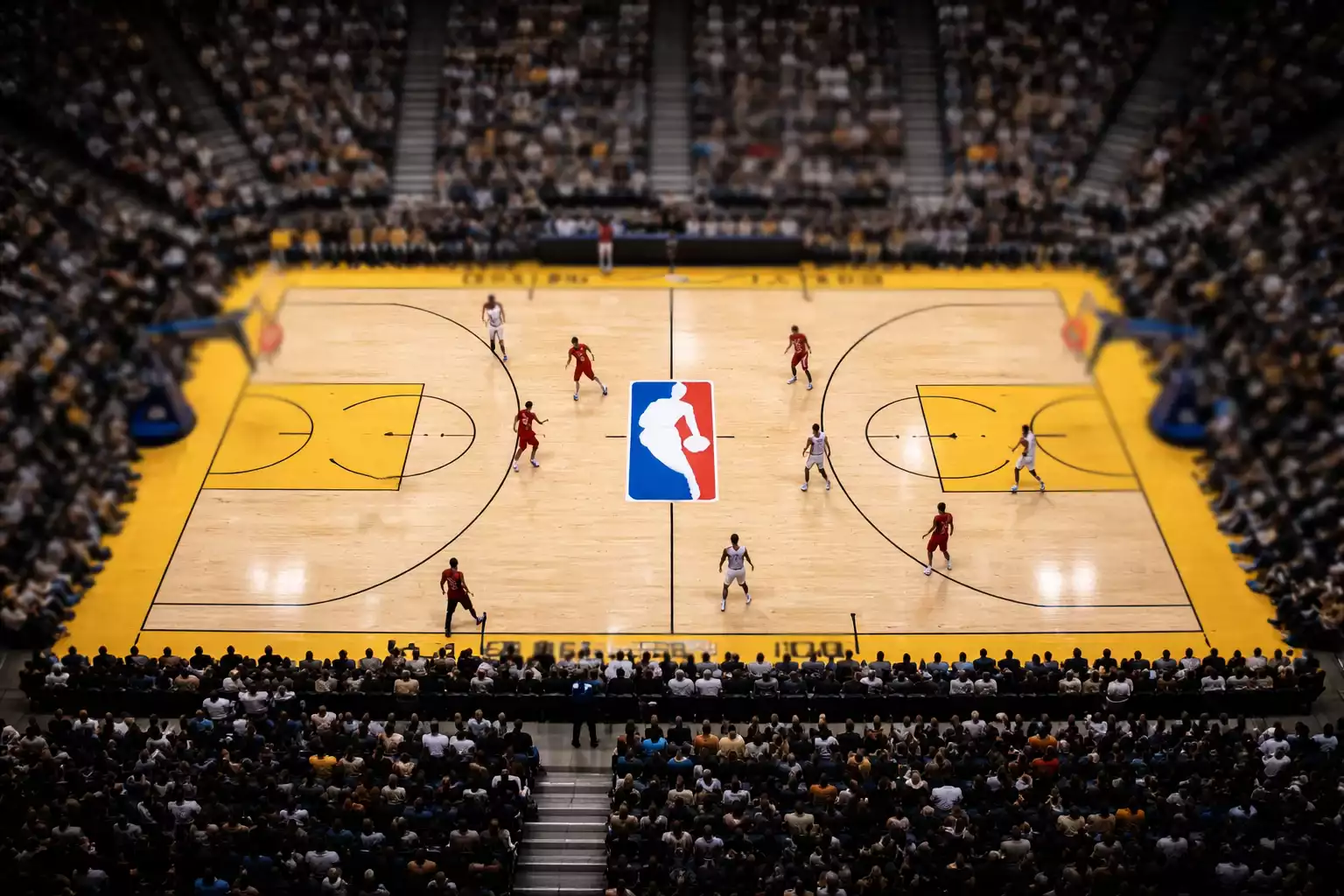
Updated moneyline markets offer the simplest live betting proposition: which team will win from the current moment forward. The prices reflect current score, time remaining, and each team’s perceived strength. A team trailing by 10 in the third quarter might be available at +300, offering substantial return if you believe a comeback is likely. These live moneylines provide straightforward opportunities to express opinions about game outcomes as they develop.
Live point spreads adjust the pregame spread based on current game state. If the Heat were -4 pregame and trail by 2 at halftime, the live spread might be Heat -1 for the second half or Heat +1 for the game’s remainder. These spreads let you bet on performance relative to expectations rather than outright outcomes. Understanding how the current score translates into adjusted spreads helps you identify when the adjustment seems wrong.
Running totals project final combined scores based on current scoring pace. If the pregame total was 220 and the halftime score is 118-112, the running total might adjust to 228. You’re betting whether the final combined score will exceed or fall short of this adjusted number. Running totals reward bettors who can project pace changes—whether teams will speed up, slow down, or maintain their current scoring rate.
Quarter and half betting offers shorter timeframes within the game. You might bet the third quarter spread, the fourth quarter total, or which team will win the second half. These markets appeal to bettors who identify patterns within specific game segments. Maybe a team consistently outperforms in third quarters, or their defensive adjustments at halftime typically suppress second-half scoring. Quarter and half markets let you target these specific tendencies.
Live player props update based on accumulated statistics and projected playing time. If a player has 15 points with a quarter and a half remaining, his points line might adjust from the pregame 22.5 to a live number of 24.5. You’re now betting on his production for the remainder of the game. These live props create opportunities when you believe a player will exceed or fall short of their current pace based on factors the algorithm might miss.
Next basket and scoring play markets offer rapid-fire betting on immediate outcomes. You’re predicting which team scores next, whether the next basket will be a two or three, or which player will score. These markets carry high variance and significant juice but appeal to bettors seeking constant engagement. They reward pattern recognition and feel for game flow, though the built-in margins make consistent profit challenging.
NBA Live Betting Strategies
Reading momentum shifts provides edges that pregame analysis cannot capture. Basketball momentum is real and observable: a team that forces three straight turnovers, hits consecutive threes, or gets the crowd energized plays differently than one trudging through a cold stretch. Live betting lets you act on momentum before it fully reflects in the score. Identifying when momentum has shifted but odds haven’t caught up creates value that pure statistical models miss.
Foul trouble opportunities emerge throughout games and affect outcomes in ways pregame betting ignores. When a team’s best defender picks up his fourth foul midway through the third quarter, the opposing offense should improve. When a star player sits with foul trouble, his team’s win probability drops beyond what the current score indicates. Live betting markets adjust for player absence but often underestimate the full impact of foul trouble on game flow and strategy.
Garbage time considerations cut both ways in live betting. As games become lopsided, starters exit and benches empty. This affects live spreads and totals in ways that require careful interpretation. A team down 25 with eight minutes remaining might cover a live spread of +15 as the leading team coasts, or they might fall further behind as their bench struggles against a competent second unit. Understanding each team’s bench quality and typical garbage time patterns informs these late-game live bets.
Timeout and lineup adjustments signal coaching responses that affect game trajectory. When a coach calls timeout after an 8-0 opponent run, the resulting adjustments often slow or reverse the momentum. Substitution patterns during crunch time indicate which players coaches trust in high-leverage moments. Reading these signals helps predict performance changes that live odds take time to incorporate.
Hot and cold shooting streaks create live betting opportunities, though they require careful interpretation. A team that’s 8-for-10 from three in the first half might seem likely to continue, but regression to the mean suggests cooling off. Conversely, a team shooting 25% might improve as shots start falling. The key is distinguishing between variance and genuine game factors. If the hot shooting comes against poor defense, it might continue. If it reflects unsustainable shot-making, expect regression.
Pace analysis in real-time helps project scoring totals for the remainder of games. If both teams are pushing tempo and the first quarter produced 65 combined points, expecting that pace to continue affects your live total bets. However, pace often changes as teams adjust strategy, manage foul trouble, or protect leads. Projecting pace changes rather than simply extrapolating current pace creates more accurate live total assessments.
Defensive adjustments mid-game alter scoring dynamics in ways live odds sometimes lag. A team that switches to zone defense might slow the pace and suppress scoring. A team that starts trapping the ball handler creates turnover opportunities but also open shots. Recognizing these tactical shifts and projecting their impact gives you information advantage over algorithms that see only box score data.
When to Place Live Bets
Early game opportunities exist before the market fully processes initial game flow. The first five minutes reveal information about energy levels, defensive intensity, and shooting touch that pregame models couldn’t incorporate. If a team looks sluggish despite being favored, early live lines might not fully reflect their diminished state. Acting quickly on these observations captures value before the market adjusts.
Halftime line value emerges during the extended break when bettors and books process first-half information. The halftime spread represents the book’s assessment of how the second half will unfold. Sometimes this assessment overreacts to first-half performance, particularly when the first half included variance like unusual three-point shooting or fluky turnovers. Identifying these overreactions creates halftime betting value that pure first-half score analysis misses.
Fourth quarter strategies differ from earlier game stages because the remaining time compresses uncertainty. A 10-point lead with three minutes left is nearly insurmountable; the same lead with ten minutes left remains contestable. Fourth quarter live betting requires rapid assessment of how current margins translate to win probability given time remaining. Understanding these probabilities helps identify when fourth quarter odds seem mispriced.
Overtime scenarios create unique live betting situations where both teams face equal time and neutral positioning. If a game reaches overtime tied, the live moneyline typically reflects slight home court advantage. But other factors matter: which team has fresher legs, which players are in foul trouble, which team has momentum from forcing overtime. These factors create overtime betting opportunities beyond simple home court considerations.
Pre-blowout identification catches games heading toward lopsided outcomes before spreads fully adjust. When a team builds a 15-point lead in the second quarter and their opponent shows no signs of closing the gap, the live spread might still offer value on the leading team. Recognizing blowouts in their early stages lets you capture spread value before the market prices in inevitable outcomes.
Comeback probability assessment works the opposite direction: identifying when trailing teams have better chances than their odds suggest. Maybe their star player is heating up, the opponent is in foul trouble, or the pace favors their style. These factors increase comeback probability beyond what the current score implies. Betting underdogs in these situations captures value when the market underestimates comeback chances.
The two-minute warning in basketball doesn’t exist formally, but the final two minutes of close games operate under different dynamics. Intentional fouling, clock management, and clutch performance replace normal game flow. Live betting during these chaotic sequences requires rapid processing and comfort with uncertainty. Some bettors avoid this period; others specialize in it.
For more comprehensive insights and daily updates, visit our top NBA betting guide to stay ahead of the oddsmakers.
Live Betting Tips and Best Practices

Having a game plan before tipoff separates prepared live bettors from reactive ones. Decide in advance which games you’ll focus on, what scenarios would trigger bets, and what your maximum exposure will be. This preparation prevents the scattered approach of chasing action across multiple games without clear thesis for any of them. Your pregame analysis should identify potential live betting opportunities, not replace the need for live observation.
Watching games versus betting blind represents a fundamental choice in live betting approach. Bettors who watch can observe body language, defensive effort, and momentum factors invisible in box scores. Those betting blind rely entirely on statistical feeds and odds movements. Watching provides information advantages but limits how many games you can effectively bet. Most successful live bettors focus on one or two games rather than spreading attention across the full slate.
Speed of decision-making matters because live odds move quickly. Hesitation means missing prices. But speed without accuracy leads to mistakes. The balance requires developing pattern recognition that lets you assess situations rapidly without sacrificing analytical quality. This skill develops through experience; early live bettors often feel overwhelmed by the pace until they build familiarity with common scenarios.
Managing multiple screens enables some bettors to track several games simultaneously. One screen shows the game you’re watching closely; another displays odds across multiple contests; a third might show statistical feeds or social media for injury news. This setup requires investment in equipment and ability to divide attention effectively. Not everyone thrives in this environment; some bettors perform better with intense focus on single games.
Emotional control challenges live bettors differently than pregame bettors. Watching your bet unfold in real-time intensifies emotional responses. A missed free throw that costs your bet, a questionable foul call that swings momentum—these immediate frustrations can trigger impulsive follow-up bets. Developing emotional discipline to process outcomes without reactive betting protects your bankroll from tilt-induced damage.
Setting live betting limits constrains exposure before the session begins. You might cap yourself at three live bets per night, or limit total live action to a percentage of daily betting volume. These limits prevent the common pattern of escalating live betting as games get exciting. The structure feels restrictive but protects against the sessions where unlimited live betting produces unlimited losses.
Pre-committing to specific scenarios improves discipline. Before the game, you might decide: if the underdog leads by 8 or more at any point, I’ll take the favorite at the live spread. This predetermined rule removes in-the-moment decision-making where emotions and excitement cloud judgment. Your calm pregame analysis sets the triggers; execution simply follows the plan.
Live Betting Pitfalls to Avoid

Chasing during games accelerates losses faster than pregame chasing. You bet the first quarter over, it loses, so you bet the second quarter over to recover. That loses too. Now you’re betting third quarter totals with increasing desperation. This spiral happens quickly in live betting because opportunities appear continuously. Recognizing when you’ve entered chase mode and stepping away prevents catastrophic sessions.
Over-betting on favorites once they take leads wastes edge on poor prices. When the Bucks go up 12 in the second quarter, their live spread might be -3.5 for the remainder. This price reflects their lead, but the juice on an already-likely outcome eats into expected value. Betting heavy favorites live often means paying premium prices for outcomes that were already probable. The value in live betting typically lies elsewhere.
Ignoring fatigue factors leads to late-game mistakes. Teams on the second night of back-to-backs often fade in fourth quarters as fatigue accumulates. Similarly, teams that played overtime the previous night might lack energy for close games. These fatigue effects don’t always show in third quarter statistics but manifest when games tighten late. Incorporating fatigue into live assessments improves fourth quarter betting accuracy.
Betting on every possession treats live betting as entertainment rather than strategic wagering. The rapid-fire markets for next basket and scoring plays carry significant juice and reward action-seeking more than analysis. Limiting yourself to higher-quality opportunities rather than constant betting preserves bankroll and maintains analytical focus. Not every live betting opportunity deserves a wager.
Delay-related issues frustrate live bettors whose feeds lag behind odds movements. If your stream runs 30 seconds behind real-time, you’re seeing outcomes that odds have already incorporated. This delay disadvantage makes competitive live betting nearly impossible. Ensuring your feed is as close to real-time as possible, or avoiding live betting when you can’t watch live, prevents delay-caused losses.
Overreacting to runs is perhaps the most common live betting mistake. A team goes on a 10-0 run, and you assume the game has shifted permanently. But basketball produces runs constantly; a 10-0 response might follow within minutes. Distinguishing between variance and genuine game shifts requires patience that the excitement of runs undermines. Waiting for runs to stabilize before betting often reveals that dramatic swings are less meaningful than they appeared.
Ignoring why the line moved leads to betting against sharp information. If a live spread moves from +5 to +7 without obvious game events, sharp bettors likely acted on information you don’t have. Blindly betting against these moves fights professionals with better information. Understanding probable causes of line movement prevents unintentional betting against smart money.
Finding Your Live Betting Edge

Live betting rewards skills different from pregame betting. Processing information quickly, reading game flow accurately, and maintaining emotional control under pressure matter more than deep statistical analysis. Some bettors excel at pregame work but struggle live; others find their edge specifically in real-time decision-making. Honest self-assessment about where your skills lie directs your betting activity appropriately.
The learning curve for live betting is steep because mistakes provide immediate feedback. You bet a live over, scoring slows, and you lose—all within ten minutes of your decision. This rapid feedback accelerates learning if you approach it analytically rather than emotionally. Tracking your live bets with notes about your reasoning helps identify patterns in your successes and failures.
Integration with pregame analysis creates the most complete betting approach. Your pregame work identifies which games might produce live opportunities and what scenarios to watch for. Live observation tests your pregame thesis against reality and reveals opportunities your models didn’t anticipate. Neither approach alone captures the full picture; combining them leverages both preparation and adaptation.
Live betting isn’t for everyone, and recognizing that fact demonstrates self-awareness rather than weakness. The intensity, speed, and emotional demands don’t suit all temperaments. Bettors who thrive in calmer, more deliberate analysis might find live betting frustrating rather than profitable. There’s no shame in focusing on pregame markets if that’s where your edge lies. The goal is profit, not participation in every available market.
Published by the nba Betting team.